Author: J Blaze
Popular Day Trading Strategies for High-Risk, High-Reward Investors
Day trading is a strategy where an investor buys and sells securities on the same trading day. This can be a high-risk, high-reward strategy, and it requires discipline, research, and a solid understanding of the market. Here are some popular day trading strategies:
- Scalping: This is a strategy where an investor buys and sells securities within a few minutes or seconds, in order to profit from small price movements. Scalpers use technical indicators and chart patterns to make quick trades and exit the market as soon as they make a profit.
- Breakout trading: This strategy involves identifying key levels of support and resistance and then buying or selling when the price breaks through these levels. This can be done by analyzing historical price data and identifying patterns.
- Trend following: This strategy involves identifying the direction of a market trend and then buying or selling in the same direction. This can be done by analyzing historical price data and identifying patterns, as well as using technical indicators such as moving averages and the Relative Strength Index (RSI).
- Mean reversion: This strategy involves identifying when the price of a security deviates from its average price and then buying or selling in anticipation of the price returning to its average. This can be done by analyzing historical price data and identifying patterns, as well as using technical indicators such as the Bollinger Bands.
- Contrarian trading: This strategy involves taking a position that is opposite to the current market trend. It involves identifying market sentiment and the positioning of other traders and then taking the opposite position.
It’s important to note that day trading is a high-risk strategy and it’s not suitable for everyone. It requires discipline, research, and a solid understanding of the market. Before engaging in day trading, it’s important to educate yourself, understand the risks and have a well-crafted plan.
Investing Tips and Advice for Young Adults
Investing can be a great way for young adults to grow their money and secure their financial future. However, getting started with investing can be daunting, especially for those who are new to the world of finance. Here are some tips for young adults who are just getting started with investing:
- Start early: The earlier you start investing, the more time your money has to grow. Compound interest can work in your favor, and the longer your money is invested, the more it can grow.
- Educate yourself: Investing can be complex, so it’s important to educate yourself about the different types of investments and the risks involved. Read books, articles, and online resources to learn more about investing.
- Create a budget: Investing requires money, so it’s important to create a budget and stick to it. This will help you save money to invest and ensure that you are able to meet your other financial obligations.
- Diversify your portfolio: Diversification is key to reducing risk and maximizing returns. Don’t put all your eggs in one basket. Instead, spread your investments across different asset classes, such as stocks, bonds, and real estate.
- Start small: Investing can be intimidating, so it’s important to start small and gradually increase your investments as you become more comfortable. Consider using a robo-advisor or a low-cost index fund to get started.
- Be patient: Investing is a long-term game and it’s important to be patient. Don’t get caught up in the short-term fluctuations of the market and don’t make impulsive decisions based on fear or greed.
- Have a plan: Before investing, make a plan. This plan should include your investment goals, risk tolerance, and a strategy for achieving your goals. Review it regularly and make adjustments as needed.
In conclusion, investing can be a great way for young adults to grow their money and secure their financial future. However, it’s important to educate yourself, create a budget, diversify your portfolio, start small, be patient, and have a plan. With a bit of knowledge and discipline, young adults can set themselves up for a successful financial future.
Top Stocks To Watch For The Week Of January 30, 2023
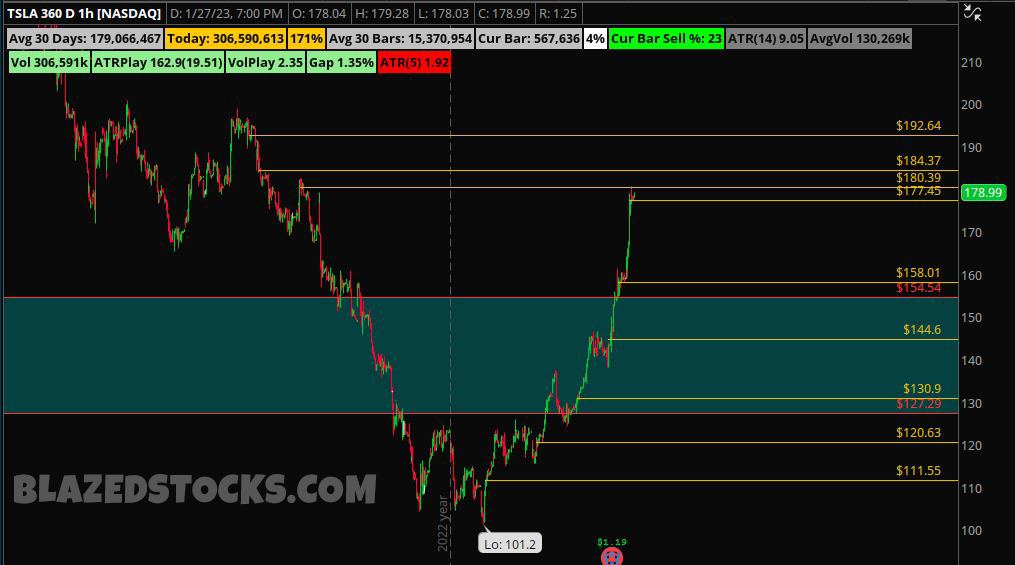
Tesla Levels for Week of Jan. 30, 2023
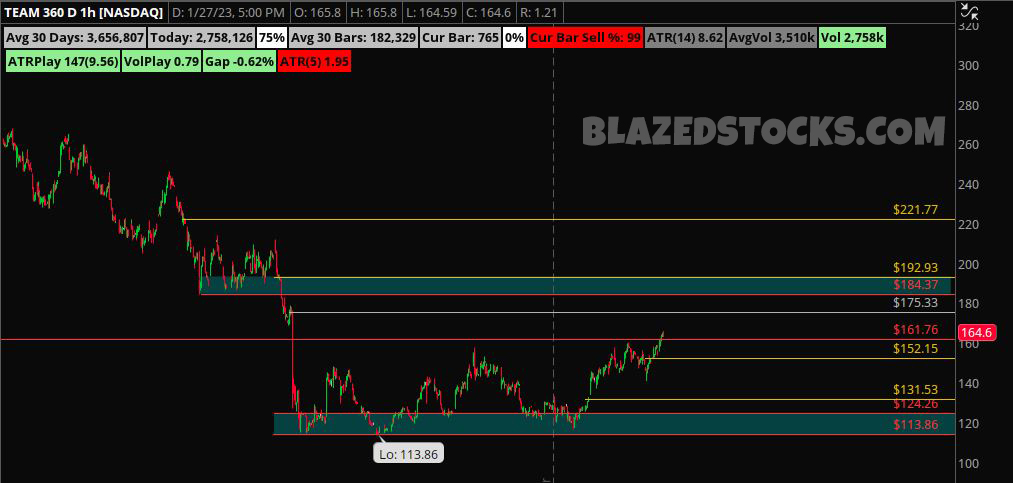
Atlassian Earnings Levels ($TEAM)
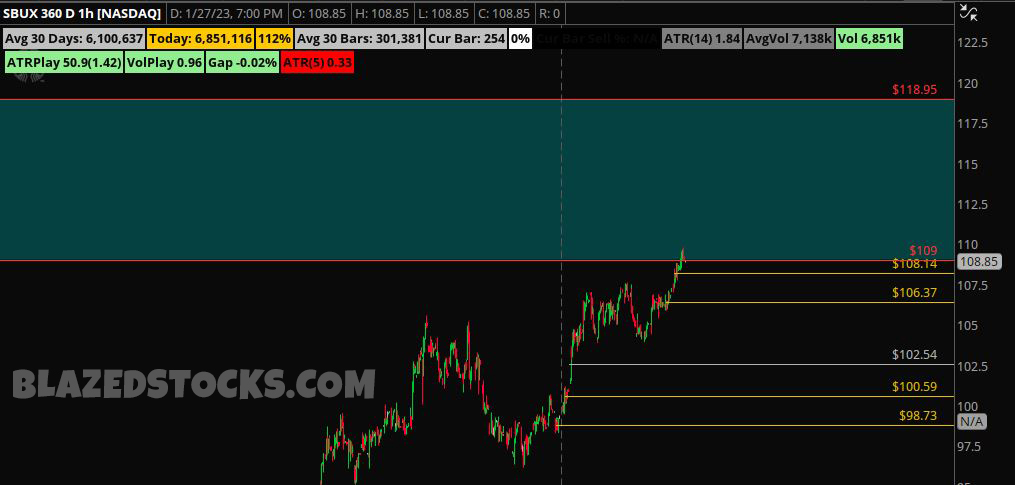
Starbucks Earnings Levels ($SBUX)
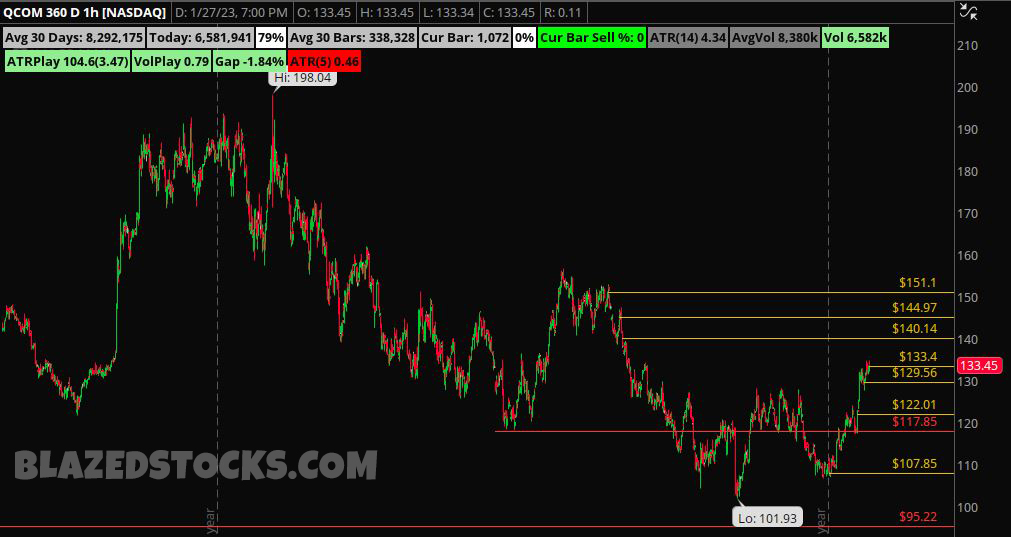
Qualcomm Earnings Levels ($QCOM)
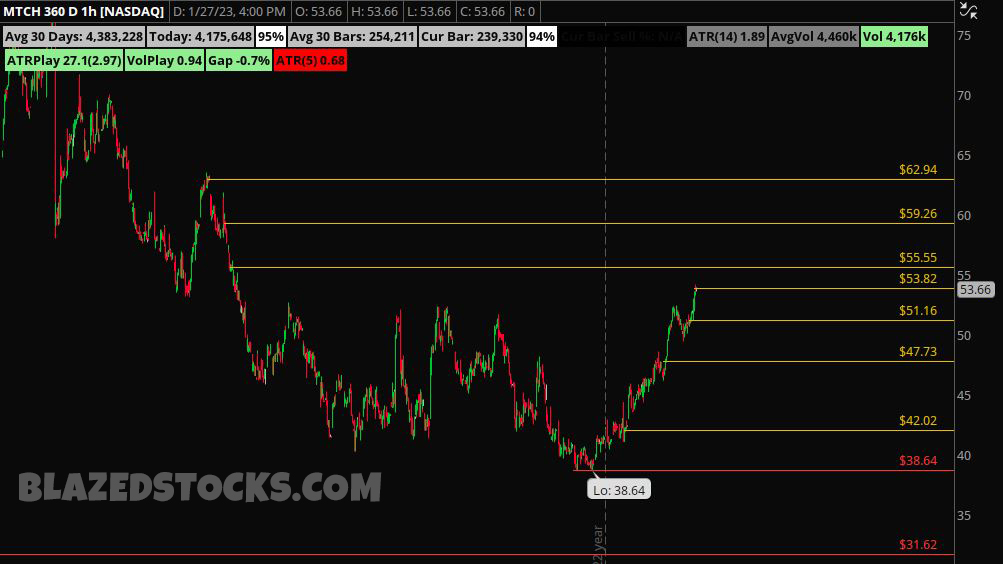
Match Group Earnings Levels ($MTCH)
Trading Psychology Techniques for Improving Performance
Trading psychology refers to the mental and emotional aspects of trading. It includes the beliefs, attitudes, and behaviors that can affect a trader’s decision-making process. Understanding and managing trading psychology is crucial for long-term success in the markets. Here are some trading psychology techniques that traders can use to improve their performance:
- Develop a trading plan: A trading plan is a roadmap that outlines your goals, strategies, and risk management techniques. Having a plan in place can help to keep emotions in check and ensure that you are sticking to your strategy.
- Set realistic expectations: It’s important to have realistic expectations about the markets and your trading performance. Setting unrealistic goals can lead to disappointment and frustration, which can affect your trading decisions.
- Use proper risk management techniques: Proper risk management techniques can help to minimize the impact of losses on your trading account. This includes setting stop-loss orders and taking profits at predetermined levels.
- Practice mindfulness and meditation: Mindfulness and meditation can help to reduce stress and improve focus, which can help to improve your trading performance.
- Keep a trading journal: Keeping a trading journal can help to improve your understanding of the markets and your trading performance. It can also help to identify patterns in your behavior and emotions that may be affecting your trading.
- Learn from your mistakes: It’s important to learn from your mistakes and use them to improve your trading performance. Reflect on your past trades and ask yourself what you could have done differently.
- Stay disciplined: Discipline is key to successful trading. Stick to your trading plan and resist the urge to make impulsive trades based on emotions.
- Stay calm under pressure: The markets can be volatile and unpredictable, so it’s important to stay calm under pressure. This includes avoiding overreacting to market movements and not making impulsive decisions based on fear or greed.
- Stay focused: Trading requires focus and attention. Avoid distractions and stay focused on the markets and your trading plan.
- Stay informed: Stay informed about the markets and the economy. Keep up-to-date with the latest news and economic data to help inform your trading decisions.
- In conclusion, trading psychology is an important aspect of trading. By understanding and managing the mental and emotional aspects of trading, traders can improve their performance and increase their chances of success. The above-mentioned techniques can help traders to improve their trading psychology and achieve their financial goals.