Author: J Blaze
Best ways to prevent consumer debt
Preventing consumer debt involves developing healthy financial habits and making informed decisions about spending and borrowing. Here are some strategies to help you prevent consumer debt:
- Budgeting: Create a monthly budget to track your income and expenses. Allocate a portion of your income to savings and prioritize essential expenses. By having a clear understanding of your finances, you can avoid overspending and stay within your means.
- Emergency Fund: Build an emergency fund to cover unexpected expenses. Aim to save three to six months’ worth of living expenses. Having this cushion will help you avoid relying on credit cards or loans when unforeseen events occur.
- Differentiate Wants from Needs: Distinguish between essential needs and discretionary wants. Before making a purchase, ask yourself if it’s necessary or if it can be postponed. Avoid impulsive buying decisions and focus on buying items that align with your priorities and financial goals.
- Avoid Credit Card Debt: Credit cards can be convenient, but misusing them can lead to debt. Pay your credit card balance in full each month to avoid interest charges. If you carry a balance, make larger than minimum payments to reduce debt faster. Consider using debit cards or cash for purchases if you find it difficult to manage credit cards responsibly.
- Save for Major Purchases: Rather than relying on loans or credit cards to finance big-ticket items, save money in advance. Set up a separate savings account for specific goals like buying a car or taking a vacation. Saving ahead of time will reduce your reliance on debt and minimize interest payments.
- Prioritize Debt Repayment: If you already have consumer debt, focus on paying it off as quickly as possible. Consider using the debt snowball or debt avalanche methods. The snowball method involves paying off the smallest debt first, while the avalanche method focuses on the highest-interest debt. Whichever approach you choose, stay committed to reducing and eliminating your debt.
- Financial Education: Increase your financial literacy by learning about personal finance. Understand concepts like interest rates, credit scores, and debt management strategies. The more knowledgeable you are, the better equipped you’ll be to make sound financial decisions.
- Avoid Lifestyle Inflation: As your income increases, resist the temptation to inflate your lifestyle by acquiring more expensive possessions or taking on unnecessary expenses. Instead, focus on saving and investing the extra income, which will contribute to long-term financial stability.
- Seek Affordable Alternatives: Look for affordable alternatives when making purchases or engaging in activities. Shop around for the best deals, use coupons, and consider buying second-hand items. Additionally, explore free or low-cost leisure activities to enjoy without straining your budget.
- Regularly Review and Adjust: Continuously monitor your financial situation and adjust your habits as needed. Regularly reviewing your budget, tracking your expenses, and assessing your financial goals will help you maintain control of your finances and prevent consumer debt.
Remember, preventing consumer debt requires discipline, self-control, and a willingness to make informed financial choices. By implementing these strategies and being mindful of your spending habits, you can establish a solid foundation for long-term financial well-being.
What are some top copper stocks?
Question: What are some stock tickers that deal with copper?
- Freeport-McMoRan Inc. (FCX): Freeport-McMoRan is a leading international mining company that produces copper, gold, and molybdenum. They have a diverse portfolio of mining assets across the globe and are one of the world’s largest copper producers.
- Southern Copper Corporation (SCCO): Southern Copper is one of the largest integrated copper producers globally. They operate mines in Peru, Mexico, and Chile and have significant copper reserves.
- BHP Group (BHP): BHP is a diversified global resources company involved in various commodities, including copper. They have several copper mines and are among the top copper producers worldwide.
- Rio Tinto (RIO): Rio Tinto is a multinational mining company with operations in several commodities, including copper. They have copper mining projects in various countries and are a significant player in the global copper market.
- First Quantum Minerals Ltd. (FM): First Quantum Minerals is a Canadian mining and metals company with operations primarily in Africa and Europe. They have copper mines in Zambia, Spain, and Mauritania, among other countries.
Remember that the performance of these stocks can be influenced by numerous factors, including global copper demand, commodity prices, geopolitical events, and company-specific factors. It’s crucial to conduct detailed research and consider your investment goals, risk tolerance, and market conditions before making any investment decisions.
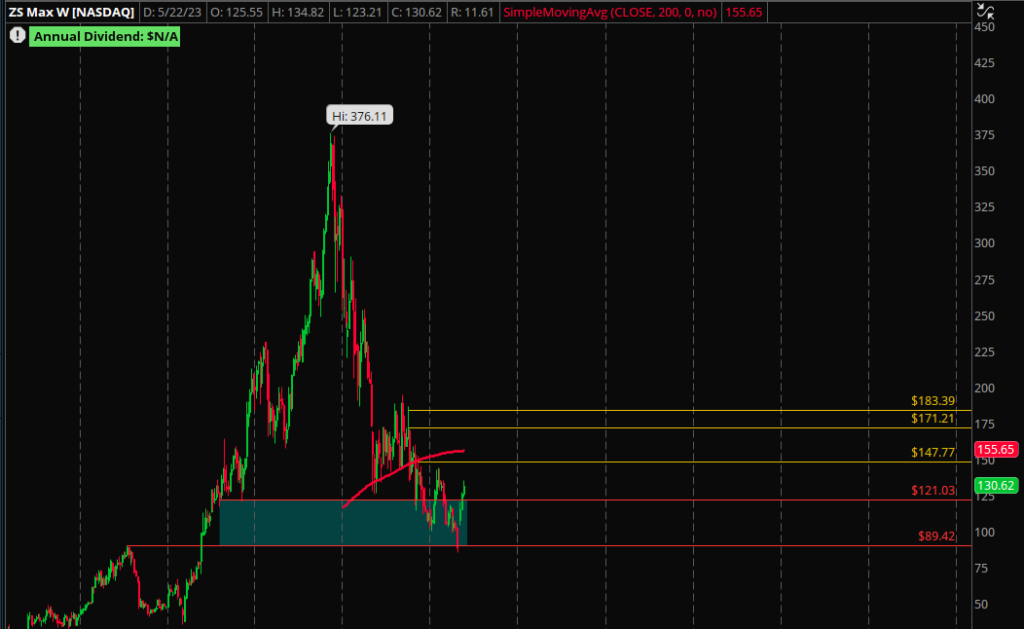
ZScaler Stock Chart (Week of May 29, 2023)
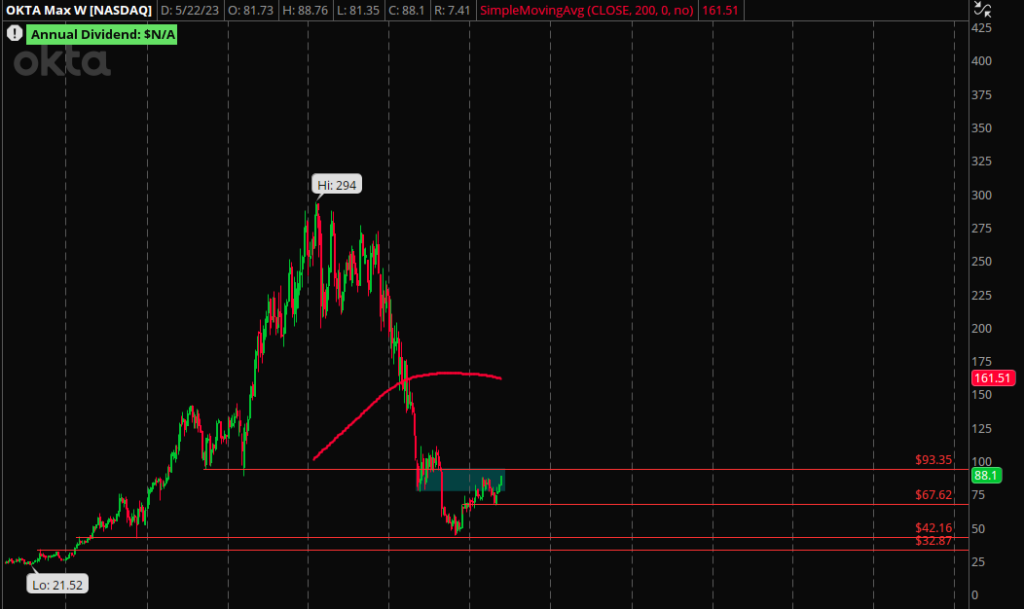
OKTA Stock Chart (Week of May 29, 2023)
TOP STOCKS TO WATCH FOR THE WEEK OF MAY 29, 2023 | CRWD AI LULU DG CRI
TOP STOCKS TO WATCH FOR THE WEEK OF MAY 22, 2023 | DKS NVDA SNOW DLTR CHPT
What is a leap option?
A leap option, also known as a long-term equity anticipation security, is an options contract with an expiration date that is farther in the future than standard options. Typically, leap options have expiration dates ranging from several months to a few years. These options provide investors with the right, but not the obligation, to buy or sell a specific underlying asset, such as stocks, at a predetermined price (strike price) within a specified time frame.
Leap options are similar to standard options but have a longer time frame, which gives investors more time for their predictions to materialize. They can be used for various trading and investment strategies, including hedging, speculation, and income generation.
It’s important to note that options trading involves risks, and leap options are no exception. They are subject to factors such as changes in the underlying asset’s price, time decay, implied volatility, and market conditions. Before engaging in options trading, it’s crucial to have a solid understanding of the concepts and risks involved or seek advice from a qualified financial professional.